Why Australia is a Top Destination for Eco-Conscious Travelers
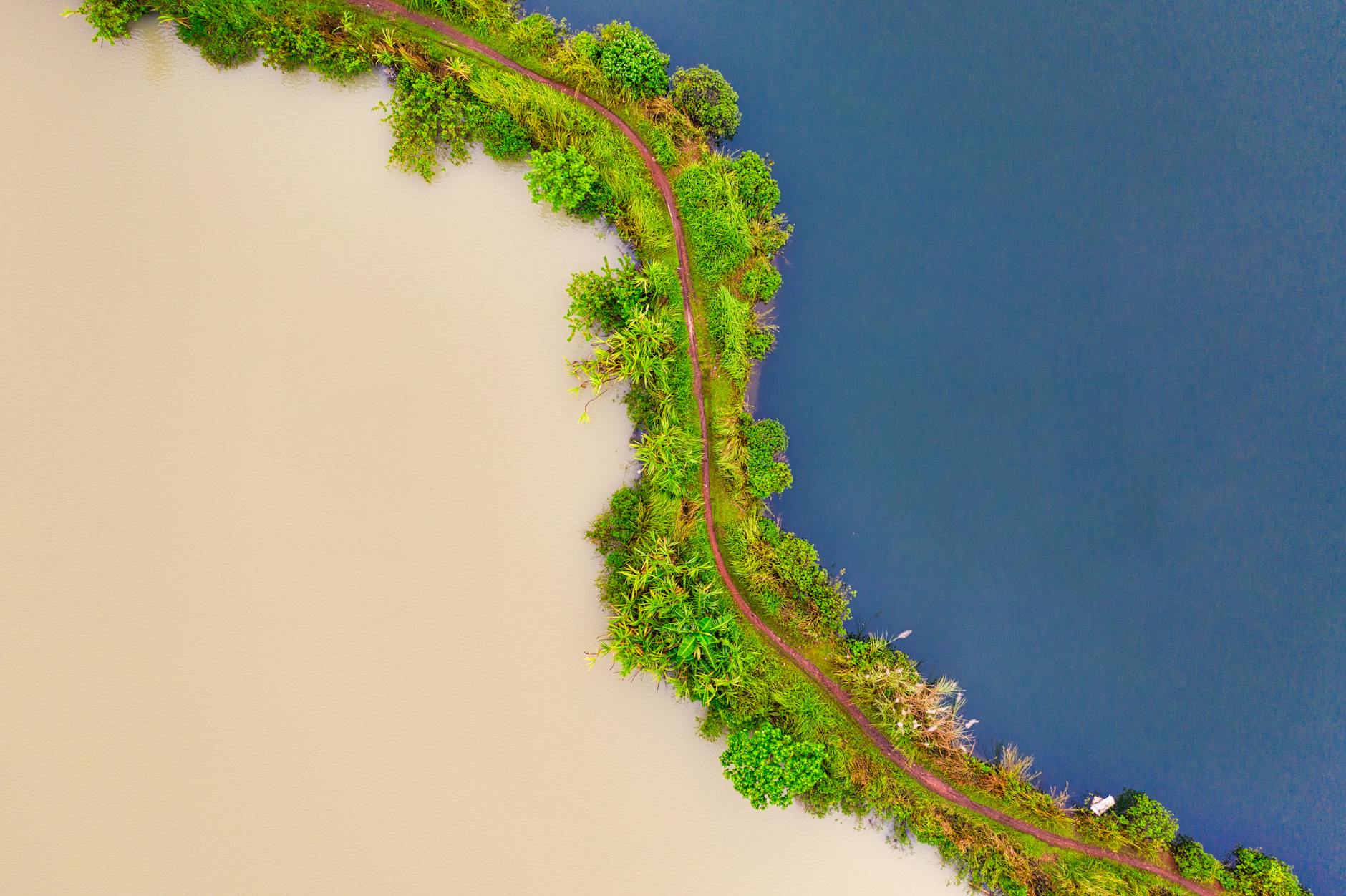
Diverse Natural Landscapes
Australia's natural landscapes unfold like pages from a fascinating book, each chapter showcasing its unique ecosystems. Take, for example, the ecosystems on display at the Royal Botanic Gardens in Melbourne. This space not only preserves local flora but also educates visitors on sustainable gardening practices. When walking through these gardens, one witnesses the delicate balance of biodiversity that should be preserved in our travels—whether exploring local habitats or venturing farther afield on immersive Machu Picchu tours, where ancient landscapes and conservation efforts intertwine.
Unique Ecosystems of Australia
Australia is home to a truly unique amalgamation of ecosystems, ranging from arid deserts to lush rainforests. Among these is the remarkable Daintree Rainforest, one of the world's oldest living ecosystems. Conservation efforts here focus on preserving this biodiversity hotspot by protecting endemic species and addressing the threats posed by climate change. For travellers seeking a deeper connection with nature, learning about these ecosystems enhances appreciation for their fragility—and reinforces the importance of sustainable travel practices. This same mindset applies globally, whether you're exploring the Daintree or embarking on unforgettable African tours that highlight the richness and vulnerability of the natural world.
Biodiversity Hotspots
Exploring Australia means encountering biodiversity hotspots like the Great Otway National Park. This region supports a wide array of life forms, including rare marsupials and ancient trees. By choosing eco-friendly travel options, you help protect these habitats. Sustainable tourism practices ensure these areas can be enjoyed by future generations while bolstering local conservation efforts.
Natural Wonders and Attractions
Australia is blessed with natural wonders like the Twelve Apostles and Uluru, drawing both tourists and conservationists. While these attractions are undeniably mesmerising, it’s vital to engage in responsible tourism that minimises environmental impact. Support local conservation projects, as these investments provide the resources necessary to preserve the country's natural beauty.
Sustainable Travel Options
In exploring sustainable travel options, it's vital to focus on eco-friendly accommodations that allow you to experience the wonders of nature without leaving a negative impact. Accommodations that incorporate renewable energy, utilise sustainable materials, and prioritise waste management are the way forward. Melbourne, with its rich tapestry of sustainability initiatives, offers several eco-friendly lodgings that align with these values. Drawing inspiration from the conservation projects in the Dandenong Ranges, these establishments go a long way in promoting environmental well-being.
When it comes to green transportation methods, Australia has made significant strides. Electric vehicle hire, bike-sharing schemes, and efficient public transport systems offer environmentally friendly ways to explore the regions you care about the most. Opting for these methods reduces your carbon footprint while opening avenues for an immersive connection with the scenery around you.
For those keen on conservation-focused tours, options like Galapagos tours present a window into ecosystems celebrated for their uniqueness and fragility. Selecting Galapagos Islands tours that underscore ecological preservation ensures that your travel has a beneficial impact. These tours often support local conservation and community programs, making your visit a catalyst for positive change.
By selecting sustainable travel options, you contribute meaningfully to preserving the habitats you explore, ensuring these profound landscapes remain unmarred for generations to come.
Marine Conservation Initiatives
Great Barrier Reef Efforts
As someone who treasures the delicate balance of marine ecosystems, I'm keenly aware of the ongoing conservation efforts at the Great Barrier Reef. This remarkable natural wonder faces serious threats from climate change and human activity. Various initiatives have been implemented, focusing on coral restoration and reducing pollutants entering the reef. Scientists, local communities, and environmental organisations collaborate to monitor changes and promote sustainable fishing practices to safeguard the reef's biodiversity for future generations.
Marine Protected Areas
Incorporating Marine Protected Areas (MPAs) is another crucial component of marine conservation. These zones shield vulnerable environments from overfishing and industrial exploitation. By maintaining key ecosystems, MPAs support diverse marine life and allow species to thrive undisturbed. Programs such as the extensive no-take zones in the coral seas are pivotal in sustaining fish populations and promoting ecological resilience.
Citizen Science Opportunities
Citizen science offers an engaging avenue for those passionate about marine conservation to contribute actively. Programs like guided Arctic cruises allow participants to partake in research activities, collecting invaluable data on marine life. By engaging with scientists, travellers can support conservation while gaining personal insights into the challenges facing our oceans. Locally, the ecological exhibits at Melbourne Museum provide a platform for promoting awareness and citizen involvement in marine conservation efforts. These initiatives inspire actions that contribute positively to preserving our planet's marine heritage.
Land Conservation Projects
National Park Preservation
Australia's national parks serve as precious reservoirs of biodiversity, offering unique habitats for various species. The Dandenong Ranges, not far from Melbourne, provide a vivid example of dedicated conservation efforts. This area, with its lush forests and diverse wildlife, is a testament to the power of preserving natural landscapes. The work in these parks focuses on mitigating the impact of invasive species, promoting indigenous plant growth, and safeguarding the habitats of native animals. The synergy between national parks and their surrounding communities is vital in maintaining these precious ecosystems, ensuring they continue to flourish year after year.
Indigenous Land Management
Collaborating with Indigenous communities is crucial in land conservation. These communities have long practiced sustainable land management, contributing invaluable knowledge about the environment. Initiatives promoting Indigenous land management techniques are significant in regions rich with biodiversity. For instance, traditional fire management practices, known as "cool burns," help manage vegetation and promote new growth. Such methods are increasingly recognized for their effectiveness in reducing wildfires and enhancing ecosystem health, all while respecting and preserving Indigenous cultures.
Reforestation Programs
Reforestation has become a cornerstone of conservation efforts, addressing habitat loss and climate change. Across Australia, projects focus on restoring native forests, offering resilience to ecosystems. In areas similar to the Melbourne Museum's ecological exhibits, these programs restore habitats and support species threatened by deforestation. Through planting native species, these initiatives aim to balance ecological systems, providing habitats for wildlife and enhancing biodiversity. Engaging local communities in reforestation efforts fosters a shared investment in preserving the natural environment. These programs also offer unique insights reminiscent of an African safari, where conservation and wildlife thrive.
Navigating Conservation Challenges
Impact of Tourism on Ecosystems
Amidst our quest for adventure, we often forget the footprints we leave behind. The vibrant yet delicate ecosystems in places like the Royal Botanic Gardens in Melbourne are treasure troves of biodiversity, but the influx of tourists can strain these environments. Soil erosion and habitat disruption often result from heavy foot traffic on popular trails. Increased visitors can lead to littering and pollution, endangering the habitats of native species. To preserve these majestic scenes, we must advocate for eco friendly gadgets in travel and support local initiatives focusing on minimal impact recreations.
Balancing Conservation with Tourism
Striking harmony between tourism’s allure and the solemn duty of conservation is no simple feat. The Dandenong Ranges offer an ideal model, where eco-tours educate visitors about the significance of sustainable practices while immersing them in the area’s natural beauty. Here, sustainable travel involves community engagement and supporting conservation-focused enterprises. Encouraging travellers to participate in guided tours rather than solo explorations helps ensure they tread lightly on the unique flora and fauna of our cherished landscapes.
Overcoming Ecological Threats
Melbourne Museum’s ecological exhibits highlight the urgent threats facing our environment—rising temperatures, deforestation, and invasive species. The role of innovative conservation projects is pivotal in this fight. Embracing renewable resources and reducing our carbon footprint is crucial. Programs that promote understanding and proactive involvement, such as tree planting initiatives, empower us to confront these challenges head-on. Taking inspiration from these local efforts, perhaps we can transform our perspective into action, stitching together a resilient support system for our planet.